Restaurant promotions often get planned at the last minute: someone notices National Pizza Day tomorrow, posts a rushed discount, and hopes traffic follows. That wastes the real value of food holidays.
Nearly 75% of restaurant traffic now occurs off-premises, according to the National Restaurant Association’s 2025 research.
So, which dates deserve space on your calendar, and how can they become profitable campaigns rather than random giveaways?
This guide explains how to choose relevant food holidays, build monthly restaurant promotions, protect margins, and measure what actually works.
Start With a Monthly Restaurant Promotion Calendar
Good campaigns need more than a clever caption. The kitchen may need a new prep list, purchasing may need extra ingredients, and staff must understand the offer. That is why planning 30 to 60 days ahead matters.
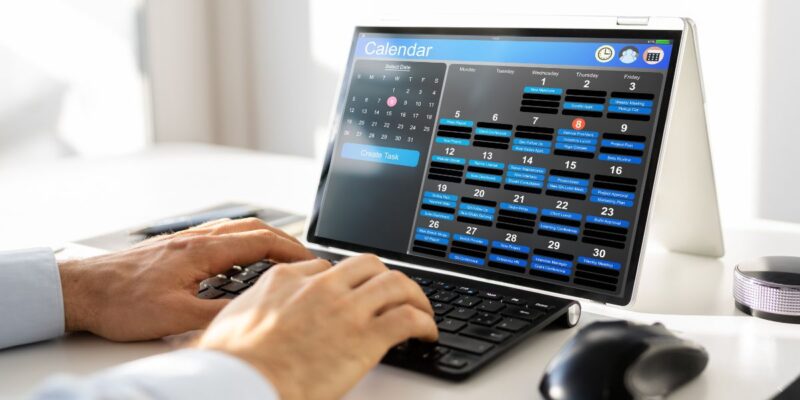
A visual custom calendar maker can help teams map food holidays, design deadlines, supplier cutoffs, email sends, social posts, and launch dates in one place. Adobe Express lets users create personalized calendars quickly without advanced design skills, so the finished plan can match the restaurant’s brand and practical needs.
Assign one owner to every campaign. Add an approval date, launch date, and short review. Suddenly, “National Burger Day” becomes an organized promotion rather than a same-day scramble.
Choose Food Holidays That Fit the Menu and the Customer
Not every popular date belongs in every restaurant. A steakhouse forcing a smoothie promotion may feel unnatural, while a café celebrating National Coffee Day fits. Relevance makes the offer easier to explain, sell, and repeat.
Before choosing a date, check:
- Menu fit: Can the kitchen create something special without excessive complexity?
- Customer fit: Will it appeal to families, office workers, students, regulars, or another valuable group?
- Margin fit: Can the offer generate profit through bundles, upgrades, or add-ons?
- Timing fit: Does it support a slow weekday, quiet afternoon, or seasonal traffic gap?
The good news? Restaurants can skip overused holidays and choose smaller dates that better match their identity. A seafood restaurant may gain more from an oyster-themed week than from another generic discount.
A Practical Food Holiday Calendar for Restaurants
Use this list as a starting point, not a rulebook. Observances can change, so verify dates before publishing campaign materials.
|
Month |
Promotional hook |
Simple campaign idea |
| January | Pie Day, January 23 | Pie-and-coffee bundle |
| February | Pizza Day, February 9 | Limited topping flight |
| March | Pi Day, March 14 | Personal pies |
| April | Grilled Cheese Day, April 12 | Sandwich-and-soup pairing |
| May | Hamburger Day, May 28 | Signature burger upgrade |
| June | Donut Day, first Friday | Morning loyalty reward |
| July | Ice Cream Day, third Sunday | Sundae tasting trio |
| August | Sandwich Month | Weekly sandwich feature |
| September | Coffee Day, September 29 | Drink-and-pastry combo |
| October | Pasta Day, October 17 | Pasta tasting menu |
| November | Sandwich Day, November 3 | Lunch bundle |
| December | Cookie Day, December 4 | Take-home cookie box |
Choose fewer dates and execute them well. One polished monthly restaurant promotion beats five rushed offers.
Turn a One-Day Holiday Into a Multi-Day Campaign
A single post on the morning of a food holiday gives customers little time to notice, decide, and visit. Stretch the idea across a week. Tease the special early, reveal the offer, run the main event, and follow with customer photos or a final loyalty bonus.
Did you know? National Donut Day falls on the first Friday in June and traces back to a Salvation Army event created in 1938. National Ice Cream Day was designated as the third Sunday in July by a 1984 presidential proclamation.
Those stories offer more than “20% off today.” A bakery could share the history, introduce a themed box, donate part of sales locally, and reward loyalty members who preorder. The campaign becomes memorable because it has a beginning, a reason, and a finish.
Build Value Without Training Guests to Wait for Discounts
Food holiday marketing does not have to mean giving away the featured item. Deep discounts can weaken margins and teach customers to wait for lower prices. Instead, package value around the occasion.
Try a premium topping, tasting flight, family bundle, double loyalty points, or discounted add-on. The National Restaurant Association reports that customers define value through quality, convenience, speed, loyalty benefits, and expanded offerings, not price alone.
A 2022 meta-analysis by Belinda Barton, Natalina Zlatevska, and Harmen Oppewal, published in the Journal of Retailing, reviewed 131 studies and found that scarcity effects vary by format, with supply-based scarcity showing strong effects for experiences.
Use honest wording such as “available this weekend,” but never invent shortages.
Promote the Same Idea Across Every Customer Touchpoint
A strong food holiday offer should not live only on Instagram. Guests discover restaurants through search, email, delivery apps, loyalty messages, and staff recommendations. Keep the offer, deadline, and ordering instructions consistent.
A practical rollout might include:
- An email announcement five days before launch
- A short preparation video
- A website banner and Google Business Profile post
- A final-day loyalty reminder
- Table signage and a clear staff script
A 2022 study by Jalal Rajeh Hanaysha, published in Metamorphosis: A Journal of Management Research, surveyed fast-food customers in the United Arab Emirates. It found that social media interactivity, entertainment, informativeness, and perceived relevance were positively associated with purchase intention.
In practical terms, useful and engaging content works better than repetitive sales graphics.
Frequently Asked Questions
1. How many food holidays should a restaurant promote monthly?
For most independent restaurants, one main campaign and one smaller supporting offer are usually enough. This keeps marketing fresh without overwhelming the kitchen.
2.How far ahead should promotions be planned?
Plan major campaigns 30 to 60 days ahead. Confirm ingredients, pricing, photography, staffing, ordering setup, and marketing deadlines before announcing the offer.
3. Should restaurants give away free food?
Not necessarily. Bundles, upgrades, tasting portions, preorder bonuses, and loyalty rewards can create excitement with better cost control.
4. Can the same campaign return every year?
Yes, when results justify it. Keep the recognizable theme, then refresh the dish, design, or reward so regular customers still have something new to try.
Make Food Holidays Work Harder for the Restaurant
The best food holiday promotions are not the loudest or cheapest. They fit the menu, solve a real business need, and give guests an easy reason to order. Build a simple monthly restaurant promotion calendar, choose dates with brand relevance, and create offers that protect customer value and profit.
Start small. Pick one promising holiday for next month and one measurable goal, such as increasing Tuesday dinner traffic or collecting 50 loyalty sign-ups. Plan early, promote the campaign across channels, and review the numbers afterward. That repeatable process will outperform a year of rushed social posts.